
What Another Season of "It's Fine" Actually Costs
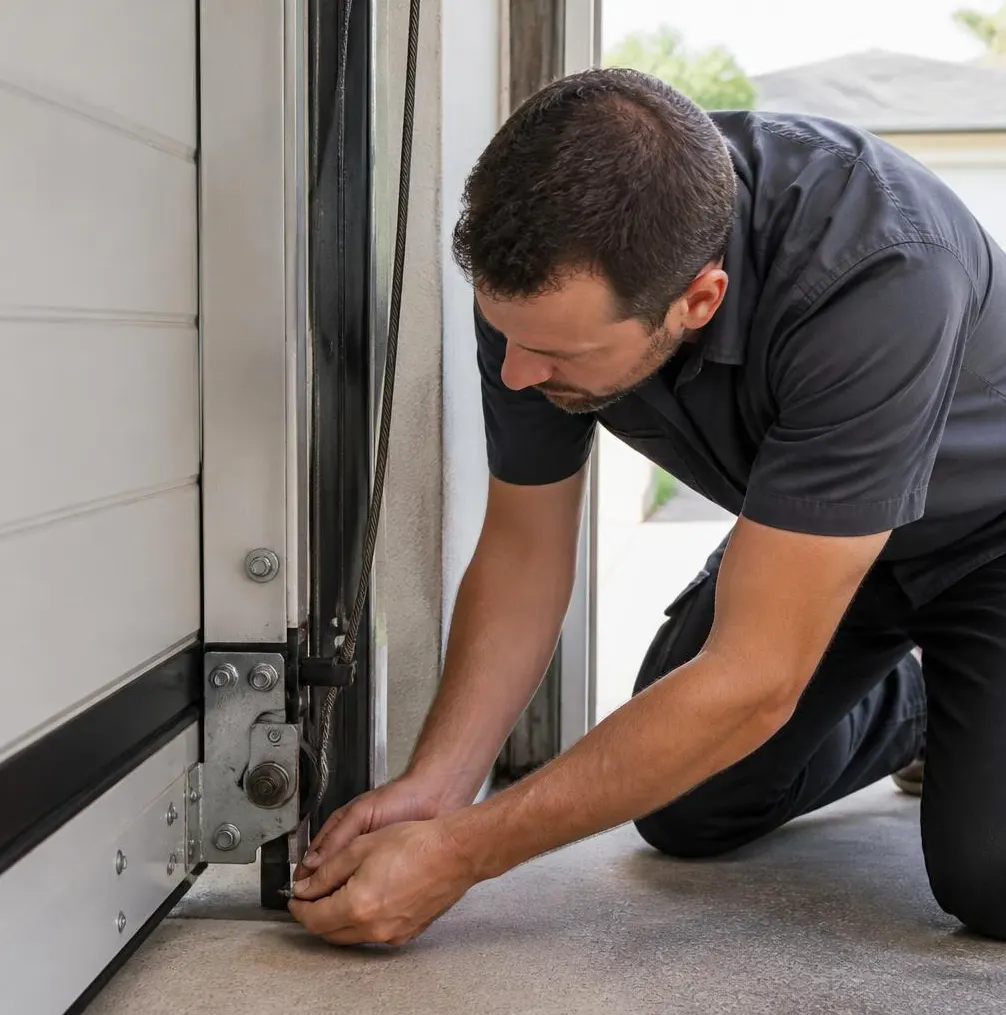
Here's the argument in most houses: one of you thinks the garage door is fine because it still opens. The other thinks it's on its last legs because of the noise, the hesitation, or the way it looks a little crooked going up. Both of you are partly right, and ignoring it for another season has a real cost either way. A spring that's already fraying tends to snap in the first hard cold snap, usually while the door is half open and someone's late for work. An opener that's struggling now will fully fail eventually, and it rarely picks a convenient day. The fix either way is almost always cheaper and less disruptive than the breakdown.
How Long These Things Actually Last
As a general range, a garage door itself typically lasts 15 to 30 years depending on material and how well it's been maintained. Steel doors with good hardware are on the long end of that; cheaper rollers, worn weatherstripping, and neglected tracks pull it toward the short end. Garage door openers have a shorter life, generally 10 to 15 years. The motor, gears, and circuit board wear out well before the door itself usually needs replacing, which is why it's common to replace an opener once or even twice over the life of one door.
Springs are their own category. Torsion springs are rated in cycles (one cycle is one full open-and-close), and a typical spring is good for somewhere around 10,000 cycles. For an average household that opens the door a few times a day, that works out to roughly 7 to 10 years. Heavier use, or a door that's out of balance and making the spring work harder than it should, shortens that considerably.
What Shortens All of This Around Here
Local weather and housing patterns do real damage if you let them:
- Deep cold makes metal brittle and lubricant thick or gummy, which is exactly when springs are most likely to snap and openers strain hardest to lift a stiff door.
- Road salt and slush tracked in from the driveway corrode springs, tracks, and bottom hardware over a winter if they're never wiped down.
- Spring mud and thaw cycles push moisture into the garage floor and up into the bottom section of the door and the track, which accelerates rust at the exact spot that takes the most daily wear.
- Humid summers and storms swell wood doors and wood jambs, strain weatherstripping, and the pressure changes from severe storms can rack a door that's already slightly out of alignment.
- Skipped maintenance is the multiplier on all of the above. A door that's lubricated, balanced, and inspected twice a year shrugs off a hard winter. One that isn't will show every flaw the season creates.
What Actually Extends It
None of this requires much money, just attention at the right times of year:
- Lubricate moving parts (hinges, rollers, springs, the track) before winter hits and again in spring after the salt and mud season passes. Use a garage-door-specific lubricant, not WD-40, which washes out and attracts grit.
- Wipe down tracks and hardware after heavy salt exposure rather than letting it sit all winter.
- Check the door balance by disconnecting the opener and lifting the door by hand halfway. It should stay put on its own. If it falls or shoots up, the springs are compensating for something and wearing out faster than they should.
- Test the auto-reverse safety feature on the opener every few months by placing a block in the door's path. If it doesn't reverse immediately, that's a safety issue, not just a maintenance one.
- Keep the weatherstripping sealed along the bottom and sides. Gaps let in the mud-season moisture and summer humidity that cause rust and swelling.
- Don't ignore small noises. A grinding roller or a squeal on opening is cheap to fix now and expensive to ignore until it takes out a cable or a panel.
Signs It's a Repair, Not a Replacement
A single stuck sensor, a frayed cable, a worn roller, or a weak spring are all normal wear-and-tear repairs, even on an otherwise solid door. What usually signals it's time to replace rather than patch: the opener motor is original and over a decade old and now struggles or runs hot, the door panels are rusted through or warped rather than just scuffed, or you're replacing the same part for the second or third time because the root cause (balance, alignment, or an aging track) was never addressed.
When to Call Wisconsin Dells Garage Door
If the door is slow, noisy, uneven, or the opener seems to be working harder than it used to, that's worth a look before winter rather than after a cable or spring lets go in the cold. Wisconsin Dells Garage Door handles garage door maintenance tune-ups that cover lubrication, balance checks, and hardware inspection so small issues get caught early, and spring replacement when a torsion spring is worn, mismatched, or already showing rust and fatigue. Both are quicker and less disruptive done on a schedule than done as an emergency call during a cold snap.
If you're in Wisconsin Dells, Lake Delton, Baraboo, Reedsburg, Portage, Sauk City, Mauston, or Adams and you've been having this exact argument at home, call Wisconsin Dells Garage Door and let a technician settle it for you before the first hard freeze.